
Energy saving that actually pays, ranked
The changes that cut real money off a gas and electricity bill at October cap rates, and the popular tips that barely move the needle

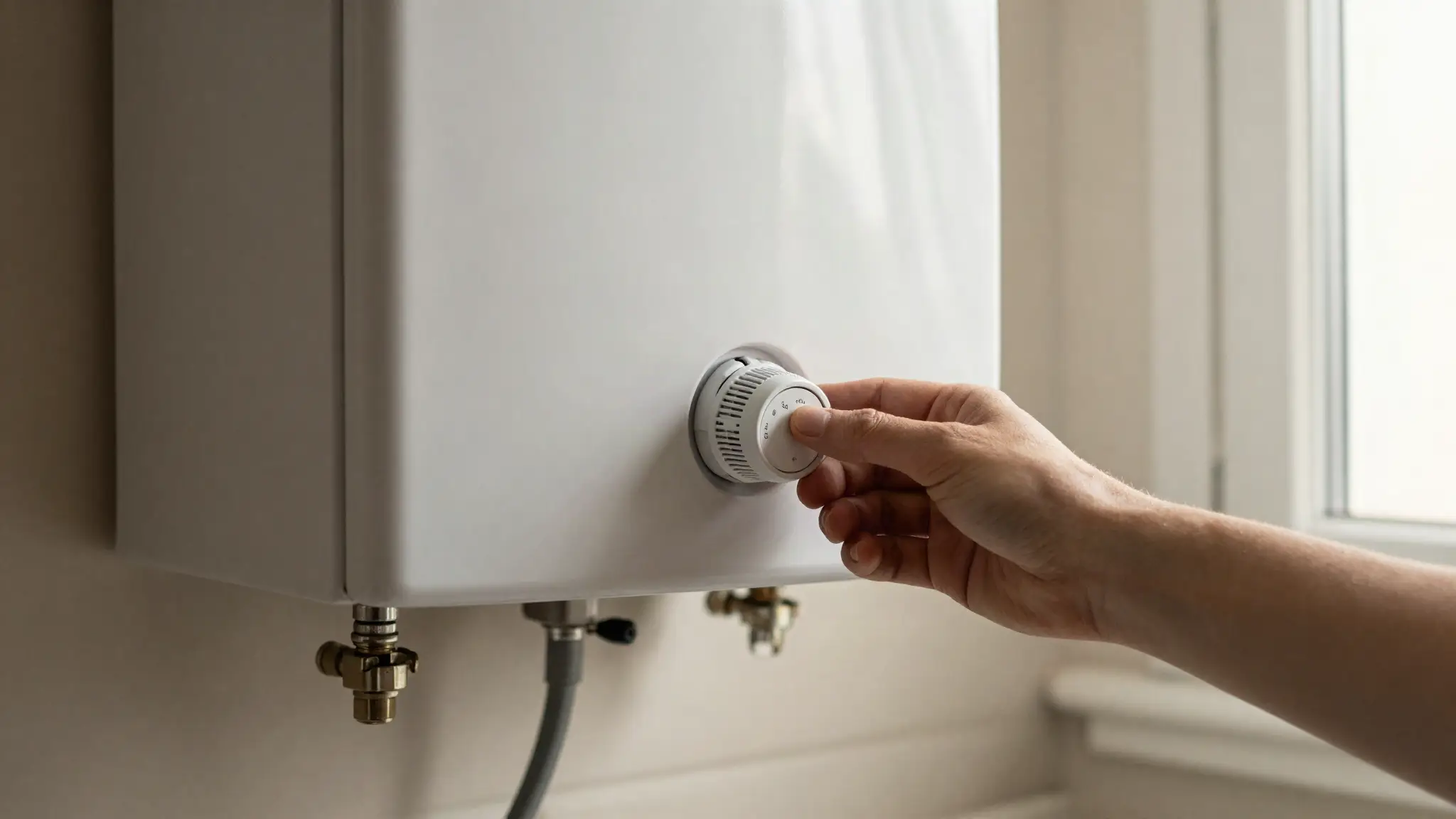
Not all energy-saving advice is equal. Some changes save hundreds of pounds a year for no outlay. Others are repeated everywhere and save almost nothing. With gas up about 8% from October, this guide ranks the options by what they are likely to save a typical gas-heated home, and calls out the myths.
1. Boiler flow temperature (gas combi boilers)
This is the best-value change most people have never made. The flow temperature is how hot your boiler heats the water it sends to radiators. Many combi boilers are left at 75°C or 80°C from installation. Turning it down to 60°C lets the boiler condense properly and use less gas for the same warmth. The house takes a little longer to heat up but reaches the same temperature.
Look for a radiator symbol on the boiler's front panel or in its menu, and turn it down. Do not change the hot water temperature if you have a hot water cylinder, which needs to stay above 60°C for safety. Expect a saving in the region of 6% to 8% of your gas bill.
2. Thermostat and heating schedule
Each degree off the thermostat saves roughly 10% of your heating cost. 18°C to 20°C is comfortable for most healthy adults. Older people and anyone with a health condition should keep rooms warmer.
Set the heating to come on only when you need it, not all day at a low setting. The idea that leaving heating on constantly is cheaper is a myth. A house loses heat faster the warmer it is, so keeping it warm all day loses more heat than warming it twice.
Turn radiator valves down in rooms you do not use, and keep doors closed.
3. Draught-proofing
Gaps around doors, windows, letterboxes, loft hatches and floorboards let warm air out and cold air in. Self-adhesive foam strips, brush strips and a chimney draught excluder cost little and take an afternoon. The saving is modest per gap but adds up, and it improves comfort at once.
4. Hot water
If you have a hot water cylinder, insulate it and its pipes. Shorter showers save both water and the energy to heat it, and matter more in metered homes. Fix dripping hot taps.
Appliance running costs at cap rates
Electricity is roughly flat from October, with 0% VAT applied. Rough costs per use at typical capped unit rates:
| Appliance | Approximate cost per use |
|---|---|
| Tumble dryer, one full cycle | About 60p to £1 |
| Electric oven, one hour | About 50p to 70p |
| Dishwasher, one cycle | About 30p to 40p |
| Washing machine at 30°C | About 15p to 25p |
| Kettle, one litre | About 3p |
| Air fryer, 20 minutes | About 10p to 15p |
The takeaways: the tumble dryer is the appliance to avoid, cooking small meals in an air fryer or microwave is cheaper than heating an oven, and washing at 30°C rather than 40°C cuts the machine's cost by a third or more.
What is a myth
- Unplugging phone chargers. A modern charger draws almost nothing when idle. Pennies a year.
- Leaving heating on low all day. Loses more heat than heating in blocks.
- Painting radiators or putting foil behind them. Foil behind radiators on uninsulated external walls helps a little. Painting does not.
- Turning off the boiler pilot light. Modern boilers do not have one.
- Closing curtains saves a lot. It helps at night on single glazing, but the effect is small.
What to do next
- Find your boiler's flow temperature control this week and turn it down to 60°C.
- Set a heating schedule and drop the thermostat by one degree.
- Buy draught-proofing strips and fit them before the cold weather.
- Retire the tumble dryer where you can.
- Take a meter reading before 1 October so summer usage is charged at the lower rates.