
How to cut your council tax bill
Discounts, exemptions and reductions that can take hundreds off a Band D bill averaging £2,392, and how to challenge your band safely

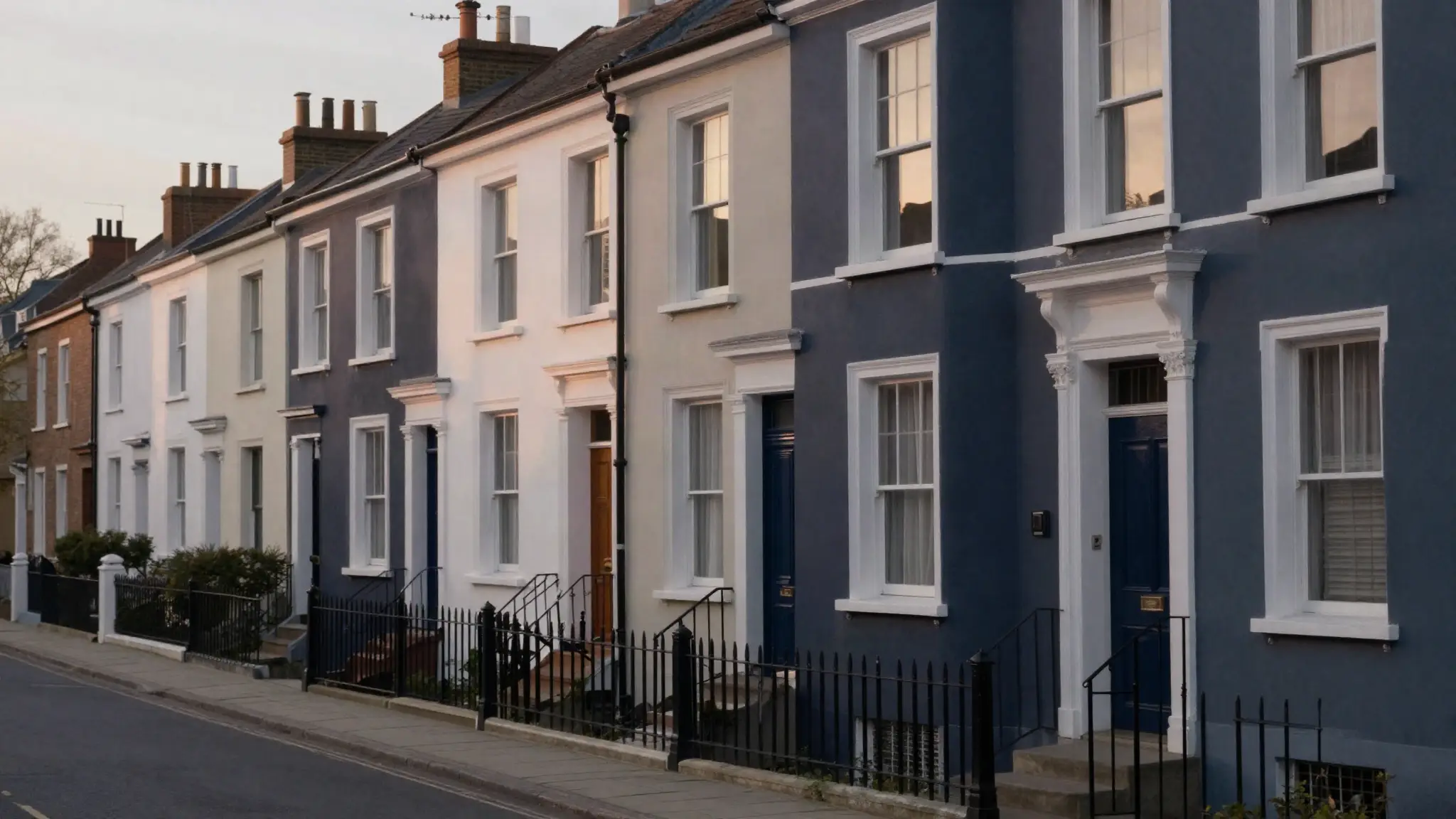
The average Band D council tax in England is £2,392 for 2026/27, up £111 on last year. Most councils raised bills by close to the 5% ceiling, and a few, such as Shropshire, were allowed around 9%. Council tax is one of the few bills where you can often cut the amount simply by telling the council something about your household. This guide walks through the main routes.
Single-person discount: 25% off
If you are the only adult in your home, you get 25% off. On the average Band D that is around £598 a year. It is not applied automatically. Apply through your council's website, and ask for it to be backdated if you have lived alone for a while and never claimed.
Some people are "disregarded", meaning they do not count as adults for council tax. If everyone else in the home is disregarded, the remaining person still gets the 25% discount.
Who is disregarded or exempt
| Situation | Effect |
|---|---|
| Full-time student | Disregarded; a home of only students is exempt |
| Severe mental impairment (with a doctor's certificate and a qualifying benefit) | Disregarded; can be exempt if living alone |
| Under 18 | Disregarded |
| Live-in carer for someone not a spouse or child | Disregarded |
| Apprentice or youth trainee on low pay | Disregarded |
| Person in care home, hospital or prison | Disregarded |
The severe mental impairment disregard is the most under-claimed. It covers conditions such as dementia, severe learning disabilities and the effects of a stroke, where a doctor confirms the impairment and the person receives a qualifying benefit such as Attendance Allowance. Councils can backdate it, in some cases for years.
Council Tax Reduction
Council Tax Reduction (sometimes called Council Tax Support) is a means-tested scheme run by each council. Pensioners are covered by national rules. Working-age rules vary by council, so two neighbours in different boroughs on the same income can get different help. Some councils reduce bills to zero for the lowest incomes; others require everyone to pay a minimum share.
Apply through your council, not the DWP. Universal Credit does not include council tax help, so a UC award does not trigger it automatically.
Challenging your band
Bands in England and Scotland are still based on 1991 values. Errors happen. If neighbours in similar homes are in a lower band, you may be able to get yours reduced through the Valuation Office Agency (VOA) at gov.uk.
Be careful. The VOA can move a band up as well as down, and it can also revalue neighbours. Before you challenge:
- Check what band similar homes on your street are in using the VOA's online tool.
- Estimate what your home was worth in 1991 using a house price calculator and today's value.
- Only proceed if both checks point the same way.
If your band is reduced, the refund is backdated to when you moved in, or to 1993.
Section 13A hardship relief
Every council in England and Wales has a power under Section 13A of the Local Government Finance Act 1992 to reduce a bill in cases of hardship, on top of Council Tax Reduction. It is discretionary and rarely advertised. You apply in writing, explain your circumstances, and the council decides. It is worth trying if you are in real difficulty and other help has run out.
What to do next
- Check whether anyone in your home is disregarded. If so, apply for the discount and ask for backdating.
- If your income is low, apply for Council Tax Reduction through the council.
- Run the two-step band check before any challenge.
- If you cannot pay, contact the council before you miss an instalment and ask about a payment plan and Section 13A.