
Smart meter tariffs: cheaper power when you time it right
How time-of-use tariffs work, why EV owners save the most, whether heat pumps benefit, and how to check if your usage suits one

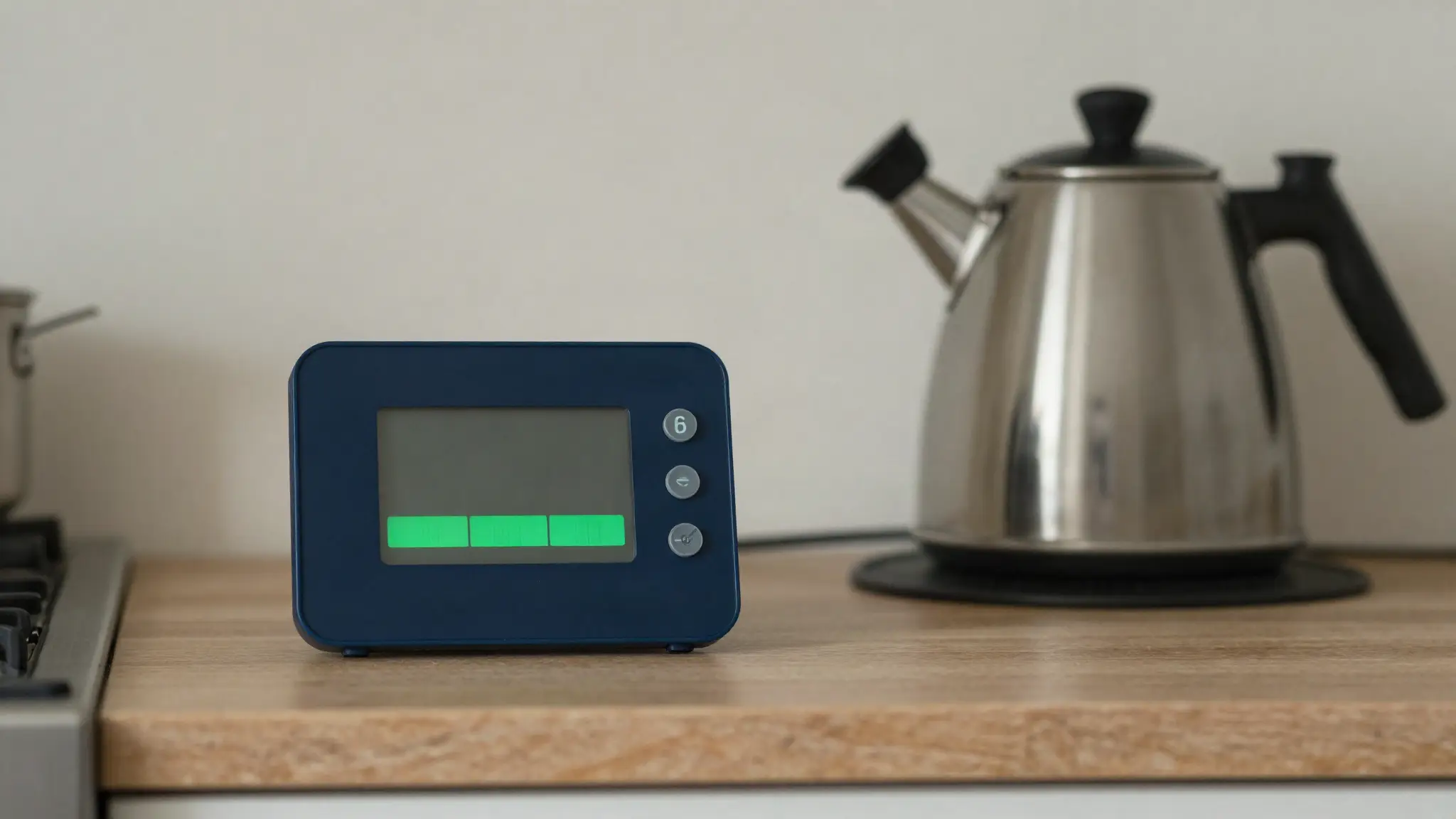
A smart meter records what you use every half hour. That lets suppliers offer tariffs where electricity costs much less at certain times, usually overnight, and more at peak times. For some households, particularly those charging an electric vehicle, the saving is large. For others it is a loss. This guide explains the trade-offs and how to check your own usage profile before switching.
How time-of-use tariffs work
The price cap sets a single unit rate for electricity all day. A time-of-use tariff replaces that with two or more rates. The most common shape is a cheap window of a few hours overnight and a higher rate for the rest of the day. Some tariffs add a peak surcharge in the early evening. Others change price every half hour based on the wholesale market.
The cheap rate is often a fraction of the daytime rate. The catch is that the daytime rate is usually above the cap. You only win if you can push enough usage into the cheap window to outweigh paying more for the rest.
Who saves the most
Electric vehicle owners. This is the clearest case. A car charged at home overnight can take most of a household's electricity. Moving that to an off-peak rate cuts the cost of charging dramatically. Many EV tariffs are built around exactly this. If you have an EV and charge at home, you should be on one.
Storage heaters and hot water cylinders. If your heating or hot water charges up overnight, an off-peak tariff is the natural fit. This is the modern version of the old Economy 7 arrangement.
Home batteries. A battery can charge overnight at the cheap rate and run the house through the day. The saving depends on battery size and daytime usage.
Heat pumps: a closer call
A heat pump runs throughout the day and evening, not just overnight. On a simple overnight tariff, a heat pump household may end up paying the higher daytime rate for most of its heating. Some suppliers offer heat pump tariffs with a lower rate all day, or a smart arrangement that pre-warms the house in cheap periods. Compare a heat pump tariff against the cap using your actual usage before switching.
The trade-offs
| Factor | Time-of-use tariff | Price cap |
|---|---|---|
| Overnight rate | Much lower | Same as day |
| Daytime rate | Usually higher | Capped |
| Requires smart meter | Yes, in half-hourly mode | No |
| Effort | Shifting usage, timers, apps | None |
| Best for | EVs, batteries, storage heating | Ordinary daytime use |
Running the dishwasher and washing machine overnight helps a little but rarely justifies a higher daytime rate on its own. The saving comes from big loads, not small ones.
How to check your usage profile
- Make sure you have a smart meter that is sending half-hourly readings. Your supplier's app or an in-home display shows this.
- Download or view your half-hourly data for a few weeks. Most supplier apps show it; you can also request it.
- Work out what share of your electricity falls in the tariff's cheap window as things stand, and what you could realistically move.
- Multiply your usage in each window by the tariff's rates and compare the total against your current cost.
- If the cheap-window share is below about a third and you have no EV, battery or storage heating, the cap is probably cheaper.
Watch out for
- Tariffs that need a specific smart meter generation. Older first-generation meters may not work in half-hourly mode.
- Fixed periods with exit fees. Some time-of-use tariffs are fixed for 12 months.
- Peak surcharges in the early evening that catch cooking and heating.
- Gas is unaffected. These tariffs only change electricity pricing.
- Rates change. Check a comparison site for current time-of-use offers rather than assuming last year's figures.
Information only, not personal advice. Whether a time-of-use tariff saves you money depends entirely on when you use electricity.