
First-time buyer costs in 2026: the full bill beyond the deposit
Stamp duty, survey, legal and moving costs for first-time buyers, plus how the Lifetime ISA bonus helps

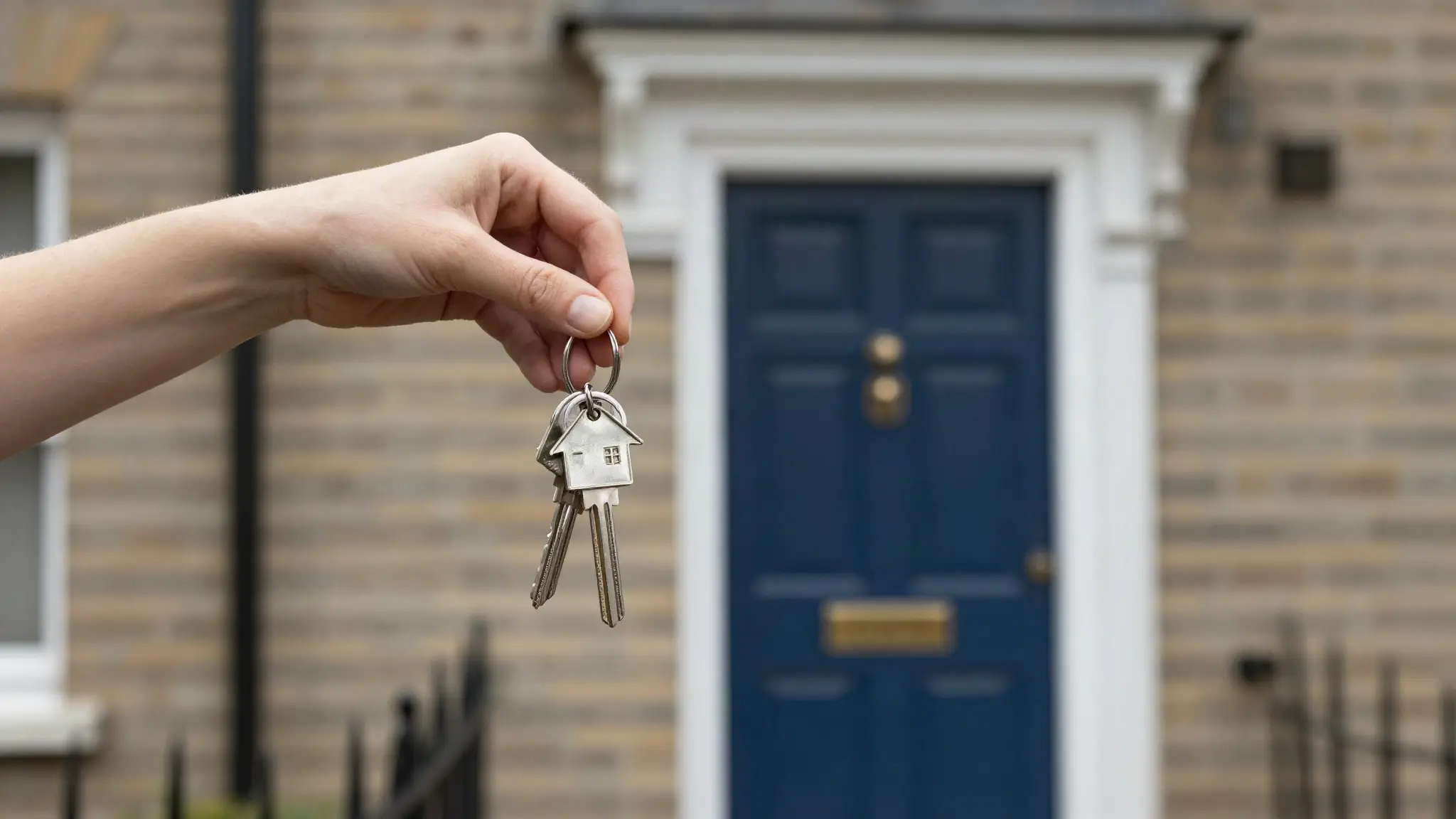
Saving a deposit is the big hurdle for first-time buyers, but it is not the only cost. This guide lays out every bill you are likely to face between an accepted offer and moving day, what the stamp duty rules are in 2026/27, and how the Lifetime ISA can add 25% to your savings. Information only, not personal advice.
The deposit
Most lenders ask for at least 5% of the purchase price, and rates improve at 10%, 15% and 25%. On a £250,000 home that is £12,500 at 5% or £25,000 at 10%. A bigger deposit lowers both the interest rate and the monthly payment, so it is worth knowing where the next threshold sits before you stop saving.
Lifetime ISA bonus
If you are aged 18 to 39 you can open a Lifetime ISA and pay in up to £4,000 each tax year. The government adds 25%, so £4,000 becomes £5,000. The money can be used towards a first home costing up to £450,000, and the account must have been open for at least 12 months before you buy. Withdrawing for any other reason before age 60 triggers a 25% penalty, which claws back the bonus and a little more, so only use it if you are fairly sure you will buy. Two first-time buyers purchasing together can each use their own Lifetime ISA. The £4,000 counts towards your overall £20,000 ISA allowance for 2026/27.
Stamp duty for first-time buyers
In England and Northern Ireland, first-time buyers pay no Stamp Duty Land Tax on the first £300,000 and 5% on the portion between £300,001 and £500,000.
| Purchase price | First-time buyer SDLT |
|---|---|
| £250,000 | £0 |
| £300,000 | £0 |
| £350,000 | £2,500 |
| £450,000 | £7,500 |
| £500,000 | £10,000 |
| Over £500,000 | Standard rates apply on the whole price, no relief |
Everyone buying must be a first-time buyer for the relief to apply. Scotland and Wales have their own taxes with different thresholds.
Survey, legal and lender fees
- Valuation fee: often free with the mortgage, otherwise typically £150 to £400.
- Survey: a Level 2 HomeBuyer survey usually costs a few hundred pounds; a Level 3 building survey is more and worth considering on older properties.
- Conveyancing: expect several hundred to just over a thousand pounds, plus searches and Land Registry fees on top. Ask for a full quote before you instruct.
- Mortgage arrangement fee: anything from zero to around £999, and it can usually be added to the loan (you then pay interest on it).
- Broker fee: many brokers are free to you; some charge a fixed fee. Ask up front.
Moving and the first month
Removals for a one or two bedroom home typically run from a couple of hundred pounds for a van hire to several hundred for a firm. Budget for buildings insurance from exchange of contracts, since the lender will require it. Add the first month's council tax, energy and broadband setup, and any furniture you do not already own.
Mortgage in principle
Before you view seriously, get a mortgage in principle (also called a decision or agreement in principle). It is a lender's indication of how much it would lend based on a soft credit check and your stated income. Estate agents often ask for one before passing on an offer. It is not a formal offer and does not commit you to that lender.
Do this now
- Add up your deposit, stamp duty, fees and moving costs in one spreadsheet so you know the true total.
- If you are under 40 and at least a year from buying, open a Lifetime ISA and start the 12-month clock.
- Get quotes from two conveyancers and check what searches are included.
- Get a mortgage in principle before you start booking viewings.