
Stamp duty and property purchase taxes in 2026: the full bands
SDLT bands for England and NI, the 5% additional property surcharge, how Scotland and Wales differ, and when you can reclaim

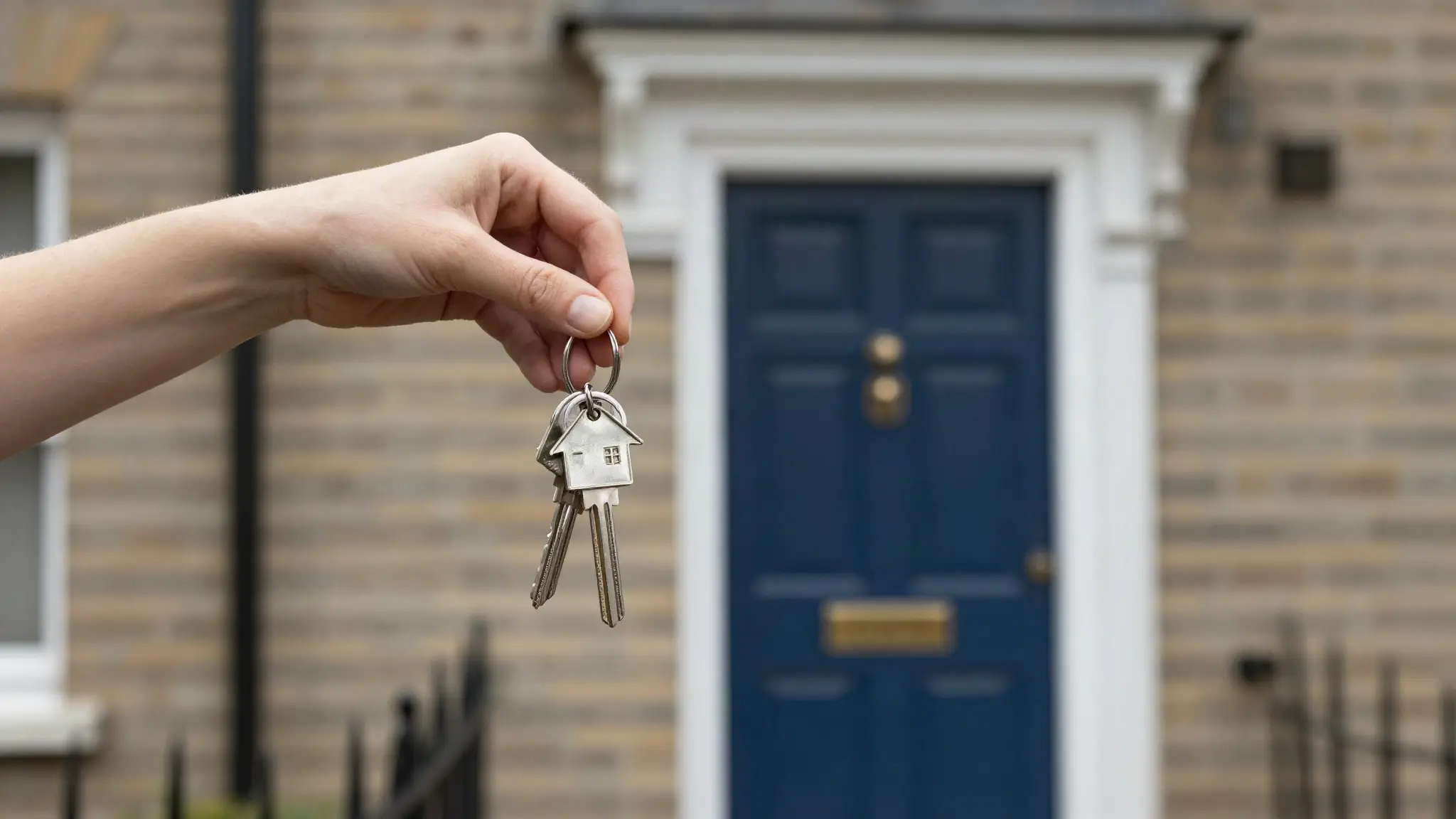
Stamp Duty Land Tax (SDLT) is the tax you pay when you buy a home in England or Northern Ireland. Scotland and Wales run their own versions with different names and thresholds. This guide sets out every band for 2026/27, explains the extra 5% on second homes and buy-to-lets, and covers the situations where you can claim the surcharge back.
Standard rates, England and Northern Ireland
SDLT is charged in slices, so you only pay each rate on the part of the price that falls in that band.
| Portion of price | Rate |
|---|---|
| Up to £125,000 | 0% |
| £125,001 to £250,000 | 2% |
| £250,001 to £925,000 | 5% |
| £925,001 to £1,500,000 | 10% |
| Over £1,500,000 | 12% |
Worked example: on a £350,000 home you pay nothing on the first £125,000, 2% on the next £125,000 (£2,500) and 5% on the remaining £100,000 (£5,000). Total £7,500.
First-time buyer relief
If everyone buying is a first-time buyer and the price is £500,000 or less, you pay 0% up to £300,000 and 5% on the slice between £300,001 and £500,000. Above £500,000 there is no relief at all and standard rates apply to the whole price. On the £350,000 example above, a first-time buyer pays £2,500 instead of £7,500.
The additional property surcharge
If you already own a residential property anywhere in the world and buy another in England or Northern Ireland, an extra 5% is added to each band, including the nil-rate band. This catches buy-to-let purchases, holiday homes and anyone buying a new main home before the old one has sold.
| Portion of price | Surcharged rate |
|---|---|
| Up to £125,000 | 5% |
| £125,001 to £250,000 | 7% |
| £250,001 to £925,000 | 10% |
| £925,001 to £1,500,000 | 15% |
| Over £1,500,000 | 17% |
On a £350,000 second property the bill is £25,000, compared with £7,500 for a main home. Married couples and civil partners are treated as one unit, so a property owned by your spouse counts as yours. Properties worth under £40,000 are ignored.
When you can reclaim the surcharge
The most common refund is for people who buy a new main home before selling the old one. You pay the surcharge on completion, then reclaim it if you sell the previous main home within 36 months. The claim goes to HMRC and must be made within 12 months of the sale of the old home or 12 months of the SDLT return filing date, whichever is later. Keep completion statements for both properties.
You can claim online at gov.uk and do not need a claims company to do it. Refunds are paid by HMRC directly.
Scotland and Wales
Scotland charges Land and Buildings Transaction Tax (LBTT) and Wales charges Land Transaction Tax (LTT). Both use a slice system like SDLT but with their own thresholds and rates, their own first-time buyer arrangements and their own additional property surcharges, which are higher than the 5% in England. If you are buying north of the border or in Wales, use the Revenue Scotland or Welsh Revenue Authority calculators rather than an SDLT one. The differences at typical prices can run into thousands of pounds.
Paying it
Your conveyancer normally files the SDLT return and pays the tax from your completion funds. The deadline is 14 days after completion, and the tax has to be paid in cash rather than added to the mortgage, so it must be in your solicitor's account before you complete.
Watch out for
- Overseas property. A flat you own abroad still counts for the surcharge.
- Inherited shares. A small inherited share of a property can trigger the surcharge unless it falls under the exemptions. Ask your conveyancer.
- Claims firms offering SDLT refunds for a fee. Legitimate claims are free to make yourself, and some aggressive schemes have led to HMRC demanding the tax back with penalties.
- Mixed-use and non-residential purchases, which have separate rates.