
Section 75 and chargeback: how to get your money back when a purchase goes wrong
Credit cards protect purchases of £100 to £30,000, debit cards have chargeback. Here is how each works and how to claim

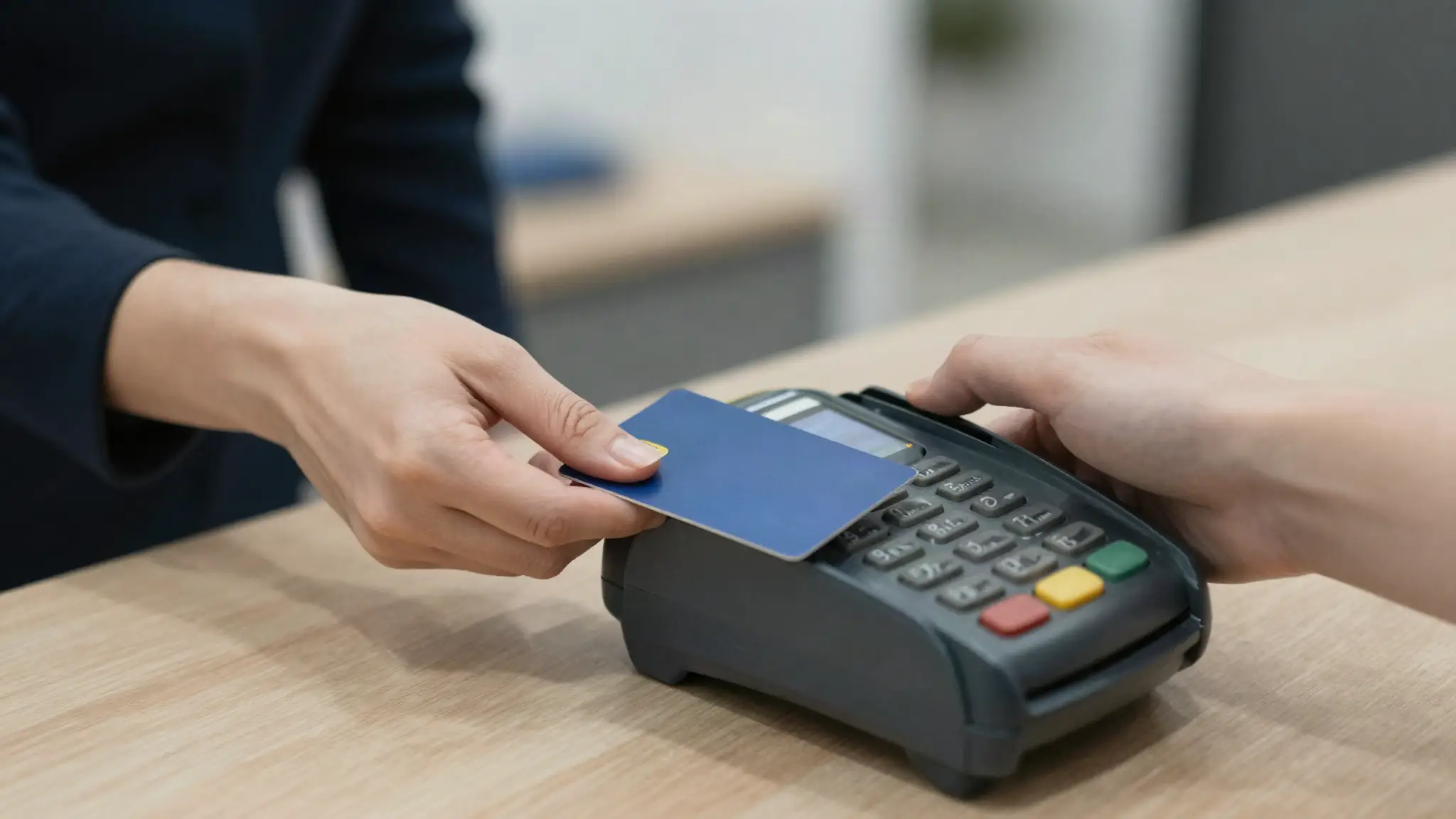
When a retailer goes bust, goods never arrive or a service is not delivered, the way you paid decides how easily you get your money back. Credit card purchases have a legal protection called Section 75. Debit card purchases rely on a scheme rule called chargeback. This guide explains both, what each covers and how to claim.
Section 75 in plain English
Section 75 of the Consumer Credit Act 1974 makes your credit card provider jointly liable with the retailer if something goes wrong. That means you can claim from the card company as if it were the shop.
It applies when:
- The single item or service has a cash price of more than £100 and no more than £30,000.
- You paid using a credit card, or a store card or point-of-sale finance linked to the retailer.
- There is a breach of contract or misrepresentation. That includes goods not delivered, faulty goods, a company going into administration, or a service that was not what was promised.
The whole price does not need to go on the card. Paying a £50 deposit by credit card for a £2,000 sofa gives you Section 75 rights on the full £2,000. The £100 threshold is per item, so two £60 items on the same order do not qualify, but one £120 item does.
The protection extends to the whole contract. If a holiday company collapses and you paid part of it on credit card, you can claim the lot, including the part paid by bank transfer.
What Section 75 does not cover
- Items under £100, or over £30,000.
- Purchases where a third party sat between you and the retailer. Paying through an online payment intermediary, a travel agent or a marketplace can break the chain. Some cases still succeed; ask the card company.
- Purchases made by an additional cardholder for their own benefit.
- Cash withdrawals, and goods bought with the cash.
- Business purchases on some cards.
Chargeback for debit cards
Chargeback is not law. It is a rule of the card schemes that lets your bank reverse a transaction and reclaim it from the retailer's bank. It works for debit cards, prepaid cards and credit card purchases under £100.
The main conditions:
- You normally have 120 days from the transaction, or from the date you expected delivery, to raise it.
- The retailer has to have failed to deliver, sent faulty goods, taken a payment you did not authorise, or charged you after you cancelled.
- You must have tried to sort it with the retailer first, unless the retailer no longer exists.
There is no minimum or maximum amount. The retailer can dispute the chargeback, which is where it differs from Section 75. If the dispute fails, the bank may reverse the refund.
How to claim
- Contact the retailer first and keep a record. Chargeback needs this, and card companies will ask.
- Gather the evidence: order confirmation, card statement, photos of any fault, emails and dates.
- Call or write to the card provider and say clearly whether you are making a Section 75 claim or a chargeback. Many banks have an online dispute form.
- Give them 8 weeks. If they refuse or do not answer, complain formally.
- If still unresolved after 8 weeks, take it to the Financial Ombudsman Service. It is free and the card company must follow its decision if you accept it.
| Section 75 | Chargeback | |
|---|---|---|
| Card type | Credit | Debit, prepaid, and credit under £100 |
| Basis | Law | Card scheme rules |
| Amount | £100 to £30,000 per item | Any amount |
| Time limit | Six years in most cases | Usually 120 days |
| Retailer can contest | No | Yes |
Watch out for
- Cancelling a credit card does not remove Section 75 rights on purchases made while it was open.
- Bank transfers have neither protection. If a builder or a private seller only takes transfer, that is a risk you carry.
- Buy now, pay later agreements taken since 15 July 2026 are regulated, but they do not carry Section 75 rights unless they are credit card based.
- Do not accept a first refusal. Ask for the decision in writing and quote the relevant rule.
Information only, not personal advice.