
Car tax 2026/27: the £200 standard rate, EV charges and the expensive car supplement
Vehicle Excise Duty rates from April 2026, what electric cars now pay, the £40,000 and £50,000 thresholds, MOT fees and how SORN works

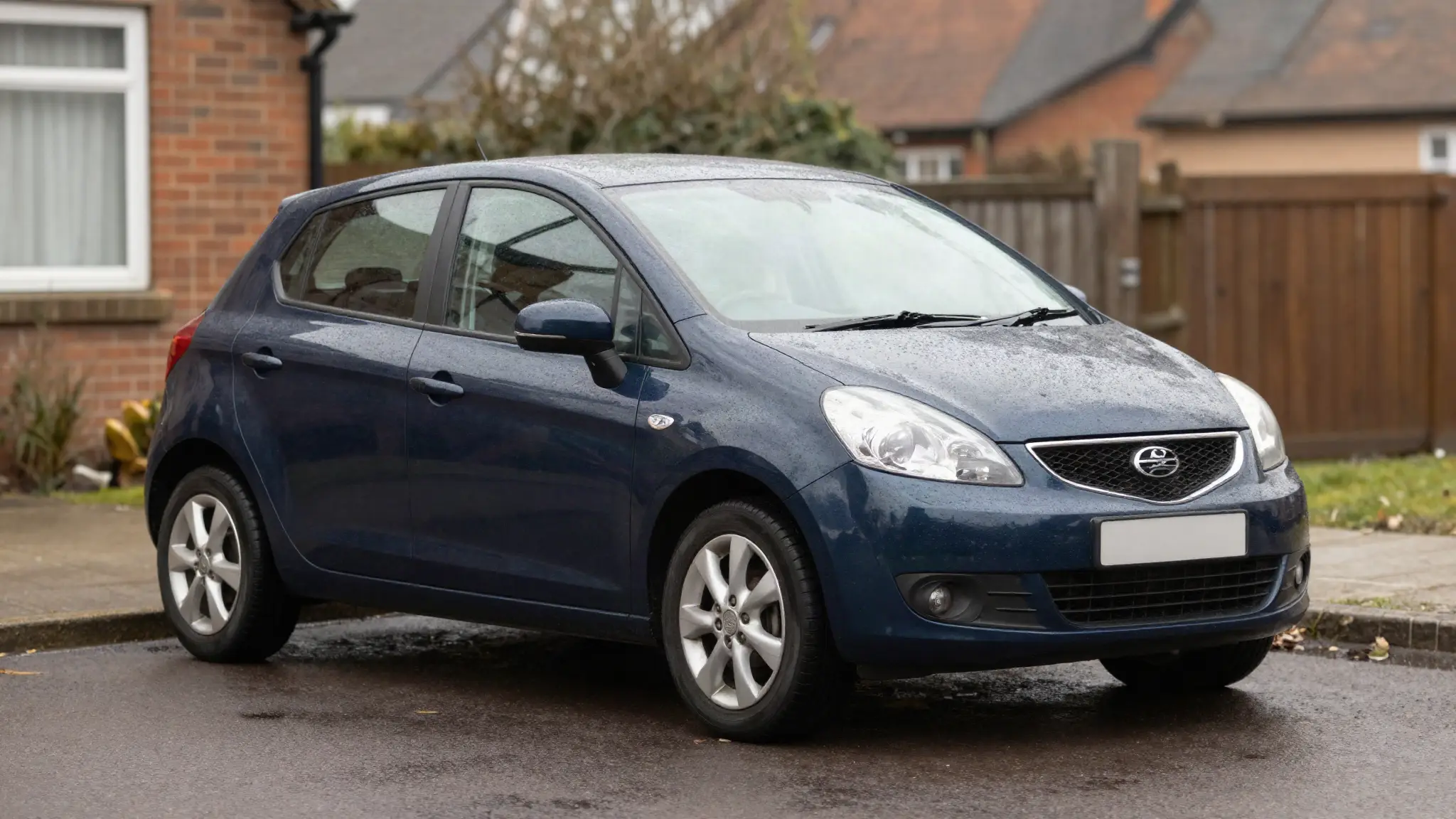
Vehicle Excise Duty changed again in April 2026 and electric cars are now fully inside the system. This guide sets out what each type of car pays, when the expensive car supplement applies, the maximum MOT fee, and how to declare a car off the road so you pay nothing.
The standard rate
Cars first registered on or after 1 April 2017 pay a first-year rate based on CO2 emissions, then a flat standard rate every year after. From April 2026 the standard rate is £200, up from £195.
| Car | First year | Every year after |
|---|---|---|
| Zero-emission | £10 | £200 |
| Low-emission petrol, diesel, hybrid | Varies by CO2 band | £200 |
| High-emission | Several thousand pounds in the worst bands | £200 |
First-year rates for petrol and diesel cars rise steeply with emissions. A car that qualifies as low emission pays a modest first-year charge; a large-engined performance car can pay a four-figure sum in year one. Check the current bands on gov.uk before buying new.
Cars registered between March 2001 and March 2017 stay on the older CO2-based bands, where the cleanest cars pay little or nothing. Cars registered before March 2001 are taxed by engine size.
Electric cars
Since April 2025 electric cars pay VED like any other. From April 2026:
- New EVs pay £10 in the first year, then £200 a year.
- EVs registered between April 2017 and March 2025 pay the £200 standard rate.
- Older EVs registered before April 2017 moved from the free band into the lowest paid band.
- Electric vans pay the standard van rate.
The expensive car supplement
Cars with a list price above a threshold pay an extra annual charge on top of the standard rate for five years, from the second year of registration to the sixth. The threshold:
- £40,000 for petrol, diesel and hybrid cars.
- £50,000 for zero-emission cars registered from April 2026, after the government raised it to support EV take-up.
List price means the manufacturer's published price including options and delivery, not what you paid. A discount does not take a car under the threshold. A used car that was over the threshold when new still carries the supplement until its sixth year.
The supplement is several hundred pounds a year; check the current figure on gov.uk, as it is uprated annually.
MOT
The maximum a test centre can charge for a car MOT is £54.85. Many charge less, and some offer free retests within ten working days if the first test fails on certain items. Cars need their first MOT at three years old and annually after that. Driving without a valid MOT invalidates insurance and can mean a fine.
Paying and SORN
- Paying annually by direct debit or in one go is the cheapest way. Paying monthly by direct debit adds 5%.
- Tax does not transfer with a car. A seller gets a refund for full months remaining; a buyer must tax it before driving away.
- A Statutory Off Road Notification (SORN) tells DVLA the car is off the road. It is free, takes effect immediately, and any full months of tax left are refunded. The car must be kept off public roads, including on-street parking.
- Un-SORN it online the day you want to drive again. Tax starts from the first of that month.
Watch out for
- Untaxed cars are spotted by number plate cameras. There is no grace period after the tax runs out.
- Buying a nearly new car just under the supplement threshold in list price saves five years of extra charges. Ask the dealer for the original list price including options.
- Cancelling a direct debit is not the same as SORN. DVLA will treat the car as untaxed but still on the road.
- Classic cars over 40 years old can be registered as historic and pay nothing, but must apply for the exemption.
Information only, not personal advice.