
Rail fares frozen until March 2027: how to pay even less
Regulated fares are frozen for the first time in 30 years. Railcards, split tickets, advance fares and Delay Repay cut the bill further

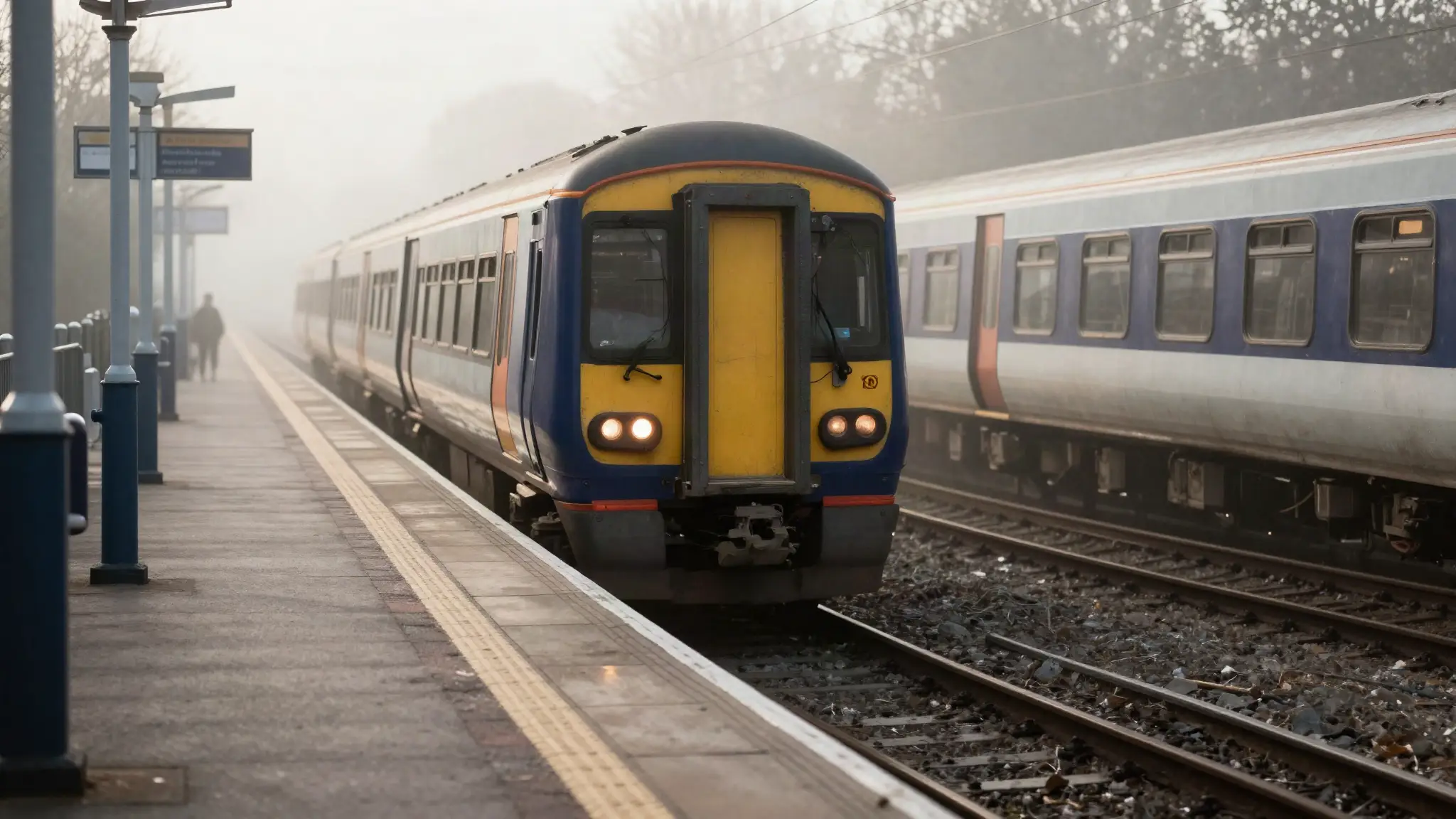
Regulated rail fares in England are frozen until March 2027, the first freeze in three decades. That protects season tickets and most anytime and off-peak fares from the usual January rise. This guide explains what the freeze does and does not cover, and the four tools that cut the cost of a journey on top of it.
What the freeze covers
Regulated fares are the ones the government controls: season tickets, anytime day tickets on most commuter routes, and off-peak returns on long-distance routes. These will not rise until at least March 2027.
Unregulated fares are set by train companies. Advance singles, first class and some peak long-distance fares fall in this group and can still change. If your regular fare is an advance ticket, the freeze does not protect it, though competition on the route may.
Scotland and Wales set their own regulated fares and are not covered by the England freeze.
Railcards
A railcard takes a third off most fares for a small annual fee. The main cards:
| Railcard | Who | Main restriction |
|---|---|---|
| 16-25 | Ages 16 to 25, or mature students | Minimum fare in the morning peak |
| 26-30 | Ages 26 to 30 | Minimum fare in the morning peak |
| Senior | Age 60 and over | None on most routes |
| Two Together | Two named adults travelling together | Not before 9.30am weekdays |
| Family & Friends | Up to 4 adults with at least one child | 60% off child fares; not in the morning peak |
| Network | Travel in London and the South East | Minimum fare weekdays |
| Disabled Persons | Eligible disabled people and one companion | None |
Three-year cards cost less per year than annual ones. One return journey of any distance usually covers the fee, so it pays even for occasional travellers. Season tickets are excluded from most railcard discounts.
Split ticketing
Buying two or more tickets for one journey is legal and often cheaper, particularly across the boundary between operators or fare zones. The only rule is that the train must call at every station where your tickets change. You do not have to get off.
Several booking sites and apps calculate splits automatically and issue the tickets together. Compare their result with a single through-ticket before buying, and check that any railcard discount has been applied to each part.
Advance fares and timing
Advance singles are cheapest when released, typically 12 weeks before travel, and rise in stages as the train fills. They are tied to a specific train. If you are certain of your times, buy early. If not, a flexible off-peak ticket may cost more but avoids a wasted advance.
Some operators sell advance fares on the day of travel. Check the app before assuming a walk-up fare is the only option.
Delay Repay
If your train is delayed, you can claim part of the fare back from the operator:
- From 15 minutes late on most operators, from 30 minutes on some.
- 50% of the single fare for 30 to 59 minutes, 100% for 60 minutes or more.
- Claims are usually accepted up to 28 days after the journey.
- Season ticket holders claim per journey, based on the daily value of the ticket.
Claims are made on the operator's website with a photo of the ticket. Some operators pay automatically if you booked through their app.
What to do next
- If you travel more than once or twice a year, buy the railcard that fits.
- For a planned trip, set a reminder for 12 weeks before and check advance fares.
- Run every journey over about £30 through a split-ticket tool before buying.
- After any delay, claim within 28 days. It takes two minutes and the operator will not chase you.
Watch out for the March 2027 end date. The government has not said what happens after the freeze, so if a season ticket renewal falls near then, renewing just before is worth considering.