
Fuel costs in 2026: seven ways to spend less at the pump
Motor fuel is driving inflation. Where to buy, how to drive, and when a small EV charged at home works out cheaper

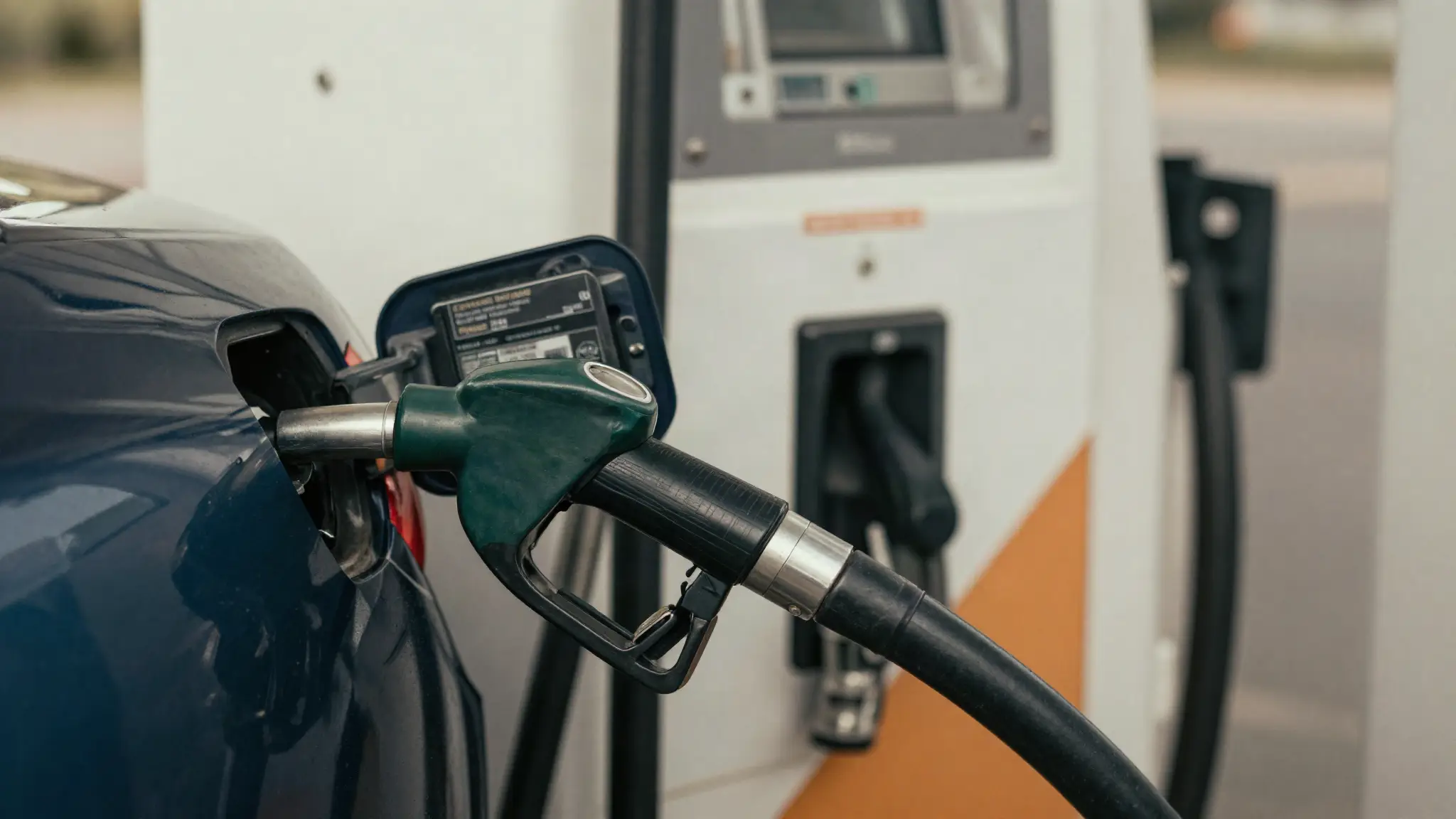
Motor fuel was the largest single driver of the rise in inflation to 3.1% in August 2026, with oil pushed up by the conflict in the Middle East. You cannot control the oil price, but you can control where you fill up, how you drive and what you drive. This guide sets out the seven changes that make a measurable difference.
Buy where it is cheaper
Prices between forecourts a mile apart can differ by several pence a litre. Supermarket sites are usually among the lowest priced in an area, and motorway services are always among the highest.
Price comparison apps now show near-live prices for most forecourts, helped by the government's open data scheme that requires retailers to publish price changes. Check before you set off, not when the light comes on. Filling half a tank at a cheap site and topping up later beats a full tank at a dear one.
Premium fuels cost more and make no difference to a car that does not require them. Check the handbook.
Driving style
The car's trip computer will show the effect of each change within a day.
- Accelerate gently and look ahead so you brake less. Every hard stop throws away fuel you paid to build up.
- On motorways, 60 to 65mph uses noticeably less fuel than 75mph.
- Use the highest gear that does not labour the engine.
- Switch off when stationary for more than a minute, if the car does not do it automatically.
- Air conditioning costs fuel at low speed; open windows cost fuel at high speed. Use aircon on the motorway and windows in town.
The car itself
- Tyre pressures. Under-inflated tyres raise consumption and wear out faster. Check monthly when cold, against the sticker inside the door.
- Weight. A boot full of things you do not need costs fuel on every trip.
- Roof boxes and bike racks. Remove them when not in use; they add drag all the time.
- Servicing. A clogged air filter or old plugs make a real difference on older cars.
Fewer miles
Combining errands into one trip, a warm engine being more efficient than a cold one, sharing school runs and commutes, and working from home one extra day all reduce the total without changing the price. A 10% cut in miles is a 10% cut in cost, which no driving technique will match.
When a small EV saves money
An electric car charged at home overnight on a smart meter time-of-use tariff can cost a few pence a mile. The same car charged only at public rapid chargers can cost as much per mile as petrol. The difference is entirely where you charge.
To work it out for yourself:
| Step | Petrol car | Electric car |
|---|---|---|
| Efficiency | Miles per gallon from the trip computer | Miles per kWh from the trip computer |
| Price | Pence per litre, times 4.55 for a gallon | Pence per kWh on your off-peak rate |
| Cost per mile | Price per gallon divided by mpg | Price per kWh divided by miles per kWh |
A typical small EV manages around 4 miles per kWh. On an overnight off-peak rate the cost per mile is a fraction of a petrol supermini's. On a standard rate the gap narrows, and at a public rapid charger it can vanish.
Other factors before switching: vehicle excise duty on EVs is £10 in the first year and the £200 standard rate after, and the expensive car supplement now starts at £50,000 for zero-emission cars. Used EV prices have fallen, which helps buyers and hurts sellers. Check a comparison site for today's tariff rates.
Watch out for
- Loyalty schemes at forecourts that reward spending but do not change the headline price. Cheaper fuel elsewhere beats points.
- Fuel-saving gadgets and additives. None has independent evidence behind it.
- Running on empty. It is not more efficient and can damage the fuel pump.
- Assuming diesel is cheaper to run. For short urban trips a modern petrol or hybrid often wins once the price difference at the pump is counted.
Small habits, checked against the trip computer, add up to a tank or two a year.